
Hidradenitis Treatment in Cumming GA Serving Alpharetta, Sugar Hill, Dawsonville, Buford & Suwannee, GA
At Aesthetic Dermatology, PC in Cumming, GA, patients often seek relief from hidradenitis, a chronic skin condition that can cause painful, inflamed bumps in areas such as the underarms, groin, and under the breasts. Hidradenitis suppurativa (HS) is not only physically uncomfortable but can also impact confidence and quality of life. Understanding the causes, recognizing symptoms, and exploring advanced treatment options (including biologics and oral antibiotics) helps patients manage the condition effectively and achieve long-term relief.
Understanding Hidradenitis and Its Impact
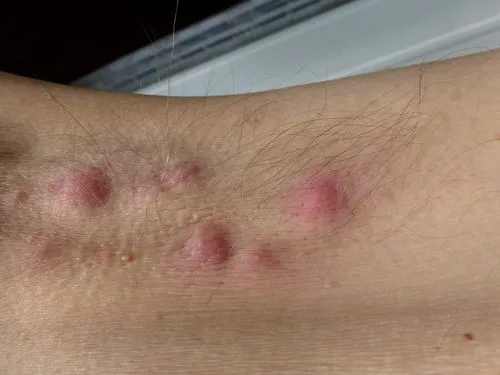
Hidradenitis is an inflammatory skin disease that develops when hair follicles become blocked, leading to painful nodules, abscesses, and tunnels under the skin. The condition often begins in early adulthood and can vary in severity from occasional flare-ups to persistent lesions that interfere with daily life. While the exact cause is not fully understood, genetics, hormonal changes, and immune system dysfunction play significant roles. Early recognition and treatment are essential to prevent scarring, reduce discomfort, and improve quality of life.
The emotional impact of hidradenitis should not be underestimated. Chronic pain, visible lesions, and drainage can affect self-esteem, social interactions, and mental health. Dermatologists at Aesthetic Dermatology, PC prioritize both physical and emotional care, providing compassionate guidance and tailored treatment plans.
Biologics: Targeted Immune Therapy
Biologic therapies are a breakthrough in managing moderate to severe hidradenitis. These medications target specific pathways in the immune system that drive inflammation, helping to reduce lesion formation and prevent flare-ups. Biologics are typically administered via injection under the supervision of a dermatologist, offering a controlled and effective approach for long-term management. Patients often see improvements in pain, lesion size, and overall skin appearance, enhancing both comfort and confidence.
Oral Antibiotics: Reducing Inflammation and Infection
Oral antibiotics are another key component of hidradenitis treatment. These medications help reduce bacterial colonization and inflammation, alleviating pain and swelling while promoting healing of existing lesions. Depending on severity and response, dermatologists may prescribe short-term or extended courses, carefully monitoring for effectiveness and minimizing potential side effects. When combined with biologics, oral antibiotics can provide a comprehensive, multi-pronged approach to managing hidradenitis.
Supporting Long-Term Skin Health
Successful management of hidradenitis also involves lifestyle strategies and preventive care. Dermatologists provide guidance on skin hygiene, weight management, clothing choices, and triggers that may worsen flare-ups. Regular follow-ups allow for monitoring of progress, adjustment of medications, and support for overall skin wellness.